Science & Pipeline

Direct inhibition
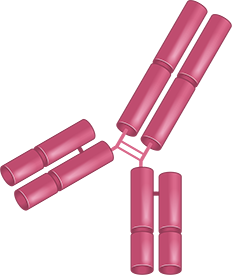
YB-101 is a potentially first-in-class monoclonal antibody that specifically blocks TSHR, the central target of the immune attack responsible for Graves’ disease (GD) and thyroid eye disease (TED).
TSHR:
The site of action in GD and TED
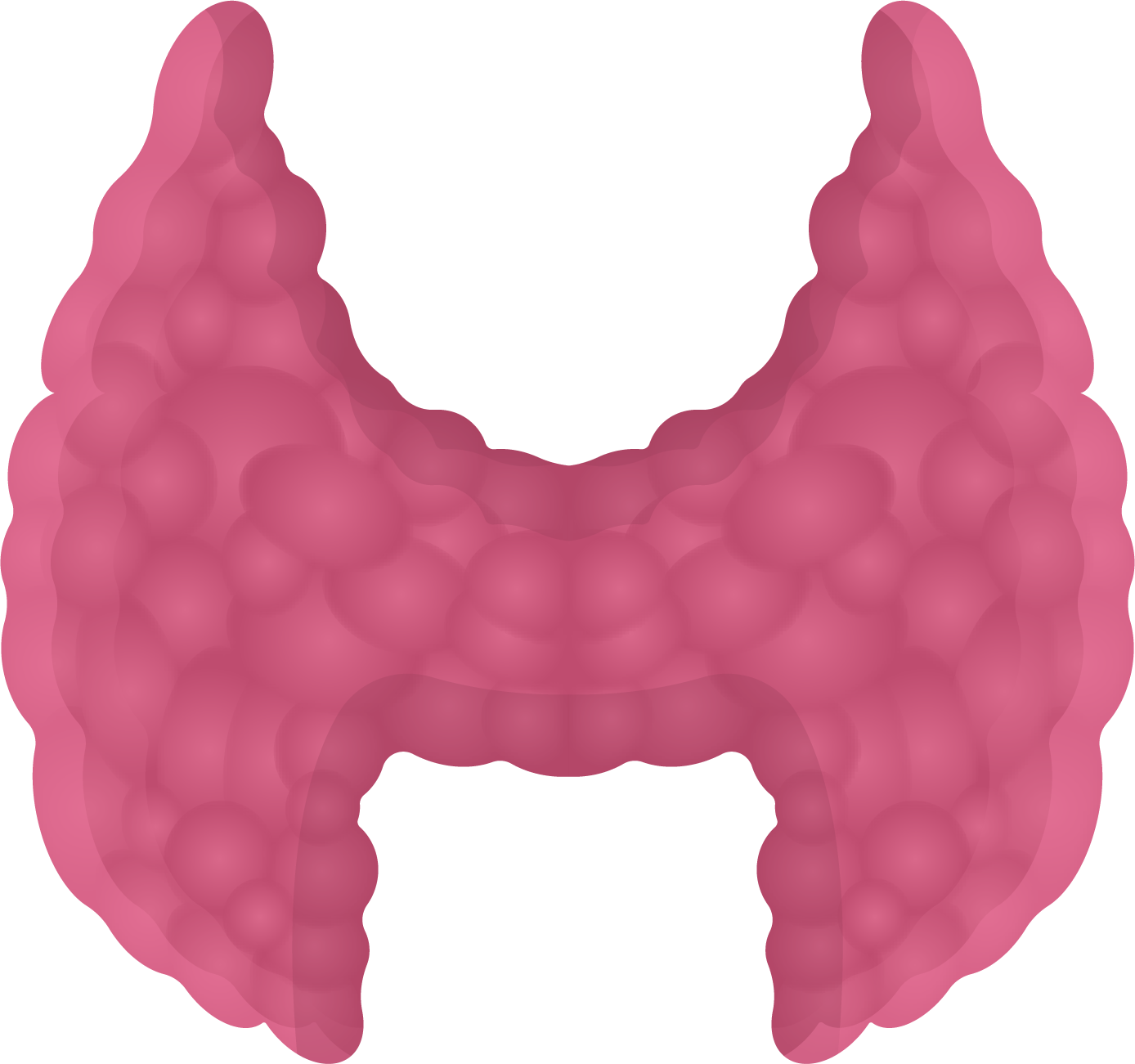
In the absence of disease, thyroid stimulating hormone (TSH), is secreted by the anterior of pituitary gland and binds to the TSH receptor (TSHR). This binding regulates production of thyroid hormones that direct metabolic processes such as heart rate, thermoregulation, sleep and energy balance. In TED, TSHR is also present expressed in the eye. In both locations, autoantibodies against TSHR attack and overstimulate the receptor which leads to the symptoms of GD and TED.
This mechanism makes TSHR the ideal target for treatments aiming to block the pathophysiology of both GD and TED.
Graves’ Disease
Thyroid gland
Colloid




TSH
binding site
TSHR
TSHR
autoantibody
YB-101
TED
Orbital fibroblast

The advantages of a precision approach
By directly disrupting the central mechanism underlying both GD and TED, YB-101 offers the potential to suppress both thyroidal and extra-thyroidal manifestations of these diseases without the risk of serious toxicities or immunosuppression.
Pipeline
Yarrow is developing YB-101 for the treatment of both GD and TED worldwide with our partner Changchun Genescience Pharmaceutical Company, Ltd. (“GenSci”).
YB-101
in Graves’ Disease
YB-101
in Thyroid Eye Disease